

How To Choose The Right Garage Storage Shelves 2026
Garage storage isn't about aesthetics; it's about workflow and safety. I've seen too many builders waste hours searching for a specific socket or trip over loose cables because they bought the first shelving unit that fit in their budget. Cheap stamped steel collapses under dynamic loads, and flimsy plastic cracks when you drop a wrench on it. If you want a garage that functions like a professional shop, your storage needs to match the weight and frequency of the tools you actually use.
Quick Answer
Choose heavy-gauge steel wire shelving for general hardware and automotive fluids due to its airflow and load capacity. Use solid steel or reinforced plywood workbenches for power tools and assembly tasks where vibration matters most. Always anchor your units to wall studs; unanchored shelves are a top hazard in any garage environment.
Table of Contents
Our Top Picks
Affiliate disclosure: if you buy through these links, we may earn a commission at no extra cost to you.

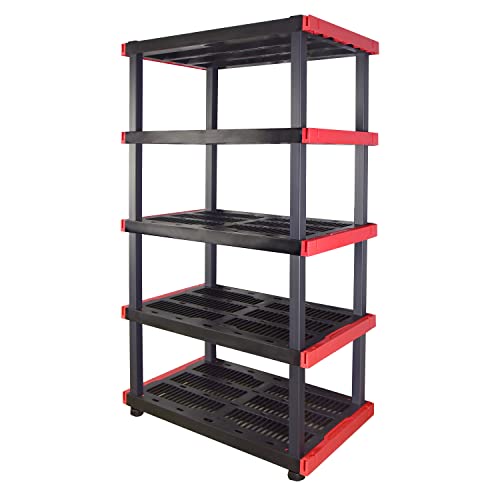

Evaluate Load Requirements and Material
The first mistake I see is underestimating the weight of automotive supplies. A single gallon of brake fluid, oil filters, and a jack stand rack can easily exceed 50 pounds. Cheap shelving often lists a "static load" capacity, which assumes the weight sits perfectly still. In reality, you are pulling items off shelves, causing dynamic shock loads that stress welds and connectors.
Look for shelving rated for at least 3,000 to 5,000 pounds per shelf if you plan to store automotive parts, toolboxes, or bulk supplies. Heavy-gauge steel (16-gauge or lower number) is non-negotiable for long-term durability. Avoid particle board or MDF cores; they swell instantly when exposed to garage humidity and oil spills.
Wire vs. Solid Surface: The Workflow Difference
Your storage choice depends entirely on what you are storing. For general hardware, paint supplies, and automotive fluids, open wire shelving is superior. It allows air circulation to prevent rust on metal tools and lets spills drip through rather than pooling on a solid surface, which can degrade the shelf material.
However, wire shelving is terrible for small parts. Washers, bolts, and drill bits will fall right through. For these items, you need solid-surface shelving or, better yet, a dedicated workbench with integrated storage. A solid top prevents vibration from shaking small components off the shelf and provides a stable surface for assembly tasks.
Consider a hybrid approach. Use wire racks for bulky, heavy items like tires, jacks, and bulk lumber. Reserve solid steel or laminate shelves for precision hand tools, electronics, and small hardware bins.
Ergonomics and Accessibility Standards
Storage is useless if you can't reach what you need without risking injury. The golden rule of garage ergonomics is the "power zone." Keep your most frequently used tools between knee and shoulder height. This reduces bending and overhead reaching, which are common causes of back strain during long repair sessions.
Depth matters more than people realize. Standard 12-inch deep shelves work for hand tools, but automotive parts often require 18 to 24 inches. If you store engine components or large toolboxes, shallow shelves will force you to reach in blindly, increasing the risk of dropping heavy items on your feet.
Adjustable shelf heights are critical. As your project needs change, you might need space for a tall air compressor one month and wide toolboxes the next. Fixed-height shelving forces you to buy new units when your storage needs evolve.
Anchoring and Structural Integrity
p>Unanchored shelving is a safety hazard. In a garage, you might bump into a tall unit while carrying a long piece of lumber or a motorcycle frame. If the shelf isn't anchored to the wall studs, it can tip over, crushing tools and causing serious injury.Always use heavy-duty L-brackets or anti-tip straps rated for the weight of your loaded shelves. Anchor into wooden studs, not just drywall anchors. Drywall anchors will pull out under the dynamic load of a shifting shelf. If you have concrete walls, use wedge anchors or sleeve anchors rated for shear loads.
Check the stability of the unit before loading it fully. A wobbly base indicates poor design or thin gauge metal. Tap the frame with a wrench; it should ring like steel, not thud like hollow tubing. Solid construction ensures that the weight is distributed evenly across the floor and wall anchors.
Modular Systems vs. Custom Builds
Pre-fabricated modular systems offer convenience and consistent aesthetics. They are ideal for standard storage needs and allow you to expand your setup as your collection grows. Look for systems that use standardized components so you can mix and match shelves, drawers, and cabinets.
Custom builds using steel tubing or plywood offer superior customization for specific tools. If you have a unique large item, like a custom welder or a specific engine hoist, built-in storage ensures a perfect fit. However, this requires more time, tools, and skill to execute properly.
For most builders, a hybrid approach works best. Use modular shelving for general organization and build a few custom units for specific high-value or oddly shaped tools. This balances cost, ease of installation, and long-term utility.
Frequently Asked Questions
What is the maximum weight capacity for standard garage shelving?
Standard heavy-duty wire shelving typically holds 3,000 to 5,000 pounds per shelf when distributed evenly. Always check the manufacturer's dynamic load rating, not just the static rating.
Can I use plastic shelving for automotive tools?
No. Plastic shelves lack the structural integrity to hold heavy power tools and can crack under impact. They also degrade when exposed to gasoline, oil, and solvents common in garages.
How do I prevent rust on metal shelving in a humid garage?
Use epoxy-coated or galvanized steel shelving. Avoid bare steel unless you apply a heavy-duty protective coating regularly. Ensure good air circulation by using wire shelves for items prone to moisture.
Is it necessary to anchor garage shelves to the wall?
Yes, absolutely. Unanchored shelves can tip over when loaded unevenly or bumped, causing injury and damage. Always anchor into wall studs using appropriate hardware for your wall type.
What is the best shelf depth for storing toolboxes?
Standard toolboxes are often 12 to 15 inches deep. A shelf depth of 18 inches provides a safe margin, preventing boxes from sliding off and allowing space for handles or latches.
Choosing the right garage storage is about matching the hardware to the job. Prioritize load capacity, material durability, and safety anchoring over cosmetic appeal. Build a system that supports your workflow, keeps your tools accessible, and stands up to years of heavy use. Start by auditing your heaviest items and anchor your first unit securely.


