

How To Choose The Right Garage Storage Cabinets 2026
Your garage floor space is finite. Every square foot wasted on a cluttered workbench or a pile of loose rags is a square foot you can’t use for your project car or safe vehicle access. I’ve spent twenty years organizing shops from 12x12 hobby garages to 40x50 professional bays, and the difference between a chaotic mess and an efficient workspace usually comes down to one thing: proper vertical storage. Buying the wrong cabinet isn’t just an aesthetic failure; it’s a safety hazard and a waste of hard-earned cash.
Quick Answer
For most home mechanics, a combination of heavy-duty steel tool chests for high-frequency hand tools and ventilated metal lockers for bulk storage offers the best balance of durability and cost. Prioritize gauge thickness (18-gauge or lower is ideal), full-extension ball-bearing drawer slides, and secure latching mechanisms over cosmetic features like neon lights or digital locks. Measure your doorways and driveway clearance before ordering to avoid delivery nightmares.
Table of Contents
Our Top Picks
Affiliate disclosure: if you buy through these links, we may earn a commission at no extra cost to you.
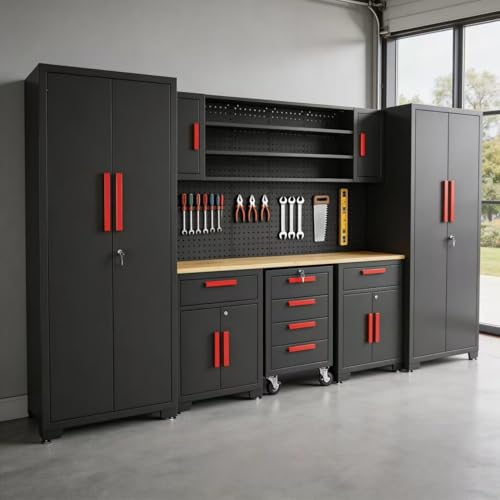
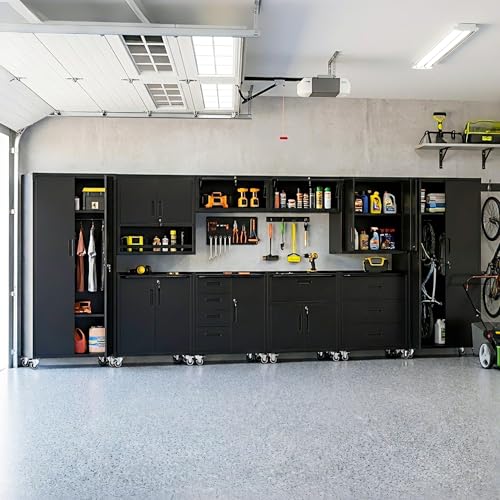
Material Matters: Steel vs. Plastic vs. Wood
In the shop, I don’t trust plastic for heavy tools. While polymer cabinets have their place for holding light hardware or paint supplies, they lack the structural rigidity needed for wrenches, sockets, and power tools. They crack under load and warp in temperature extremes common in unconditioned garages.
Wood is attractive but problematic. It absorbs moisture, leading to rust on stored tools, and it’s flammable—something you don’t want near automotive fluids or welding sparks. Furthermore, wood cabinets often lack the precise tolerances required for smooth drawer operation under heavy loads.
Steel is the industry standard for a reason. It offers the best strength-to-weight ratio and fire resistance. When shopping, look for cold-rolled steel. Avoid thin, stamped metal that rattles when you close the door. The finish matters too; powder-coated finishes resist chipping and corrosion far better than standard paint, which is critical if you live in a humid climate or store chemicals.
Drawer Mechanics and Load Capacity
The cabinet body is only as good as its drawers. I’ve seen expensive chests fail because the drawer slides couldn’t handle the weight, causing the drawer to sag or jam shut. You need full-extension ball-bearing slides. These allow you to pull the drawer out completely, giving you access to tools at the back without digging them out. Side-loading tools from a partially open drawer is inefficient and leads to dropped fasteners.
Pay attention to the load rating per drawer. A standard 3/4 tool chest might list a total weight capacity of 1,000 lbs, but that’s misleading if all the weight is in the top drawers. Ensure the bottom drawers are rated for at least 250-300 lbs each. This is where you’ll store heavy impact wrenches, jack stands, and engine blocks.
Drawer stops are another critical feature. Magnetic or mechanical drawer stops prevent the drawer from being pulled out completely when it’s fully loaded with heavy tools. Without them, a sudden jerk while walking past the chest can send $500 worth of sockets onto your foot.
Lockers for Bulk and Hazardous Storage
Not everything belongs in a tool chest. Paints, solvents, gasoline cans, and spare tires are bulky and don’t require the precision organization of a socket set. For these items, ventilated metal lockers are superior. They allow air circulation to prevent moisture buildup on tires and reduce fume accumulation for chemicals.
Look for lockers with perforated doors or mesh sides. This ventilation is non-negotiable for safety. If you store flammable liquids, ensure the locker is rated for that purpose and keep it away from ignition sources like water heater pilot lights or dryer vents.
Lockers also provide a clean look. By hiding the visual noise of spare parts and bulk supplies, your workspace feels larger and more professional. Use internal shelf kits within the lockers to create levels for smaller items like oil filters or brake pads.
Mounting Options: Wall vs. Floor
Your garage layout dictates whether you need floor-standing cabinets or wall-mounted units. Floor-standing chests (like the classic 6-drawer mechanic’s chest) offer massive capacity and stability but consume valuable floor space. They are best for primary tool storage where mobility is needed.
Wall-mounted cabinets, often called wall systems, free up floor space for working on vehicles. However, they must be anchored into wall studs, not just drywall or plaster. In a garage, this usually means anchoring into concrete block or poured concrete with appropriate masonry anchors. If your walls are lightweight construction, you must locate and anchor into wooden or metal studs.
A hybrid approach is often best: use a floor-standing chest for your most-used hand tools and a wall-mounted cabinet for less frequent items like specialty wrenches or diagnostic equipment. This keeps the heavy, frequently used tools at waist height (ergonomic sweet spot) while utilizing vertical space for secondary items.
Dimensions and Clearance Logistics
The most common mistake I see is buying a cabinet that doesn’t fit through the garage door or down the driveway. You must measure three things: the width of your garage entry, the height of your garage door opening, and the clearance needed to maneuver the box.
Don’t forget interior clearance. If you have a car parked next to where you plan to put the cabinet, ensure there is enough room to open the doors fully without hitting the vehicle. A standard tool chest door might swing out 24 inches; add that to the cabinet’s width and check against your car’s position.
Also, consider the height of your ceiling. If you plan to store items on top of the cabinets, ensure they are stable enough not to tip over when loaded. In seismic zones or if you have kids, anchoring tall cabinets to the wall is a safety requirement, not just a recommendation.
Frequently Asked Questions
Are expensive tool chests worth it?
Yes, if you use them daily. Cheap chests often have thin steel that dents easily and drawer slides that fail within a year. A quality chest from a reputable brand will last decades and retain its resale value.
Should I get a rolling cabinet or a stationary one?
Get a rolling "top cart" for your most-used tools (wrenches, sockets) to bring to the job. Keep larger, heavier items in stationary floor cabinets to prevent tipping hazards.
Can I use wood cabinets for automotive chemicals?
No. Wood is porous and can absorb chemical spills, leading to rot and fire risk. Use metal lockers with spill containment for any flammable or corrosive substances.
How do I prevent rust inside my steel cabinets?
Keep the garage ventilated. Use desiccant packs (silica gel) in drawers that hold sensitive tools like calipers or electronic diagnostics. Wipe down tools before storing them if they’ve been exposed to moisture.
What is the best height for a workbench attached to cabinets?
The standard ergonomic height is 36 inches (waist height). This reduces back strain when working on engines or assembly tasks. Ensure your cabinet top is flush with the workbench surface.
Do I need a locking mechanism?
Absolutely. If you store valuable tools, power tools, or hazardous materials, a robust cam-lock or key-lock system is essential for security and safety compliance.
Conclusion
Choosing the right garage storage isn’t about buying the biggest box you can find; it’s about matching the storage solution to your workflow. Prioritize heavy-gauge steel, reliable drawer slides, and proper ventilation for hazardous materials. Measure your space twice and order once. A well-organized shop doesn’t just look better—it makes you safer and more efficient every time you pick up a wrench.
🛒 Relevant Products for This Topic
Affiliate disclosure: if you buy through these links, we may earn a commission at no extra cost to you.
Torin Garage Storage Cabinets System, 8-Pcs Workshop Cabinet Set in Black,...
$1899.99
View Product Details →VIYET 10-Piece Heavy Duty Steel Garage Cabinet System | All-in-One Modular...
$1519.99
View Product Details →
Heavy Duty Garage Storage Cabinet System 4/6/8/10-Piece, Modular Garage...
$989.0
View Product Details →

