

How To Choose The Right Garage Knee Pads 2026
Every mechanic knows the dull, throbbing ache that sets in after an hour of working on a concrete floor. It starts as a nuisance and ends as a career-ender if you ignore it. Knee pads aren't just comfort gear; they are essential safety equipment for anyone who spends time under cars or assembling workbenches. Cheap foam inserts compress instantly, leaving your joints exposed to the hardness of the slab. You need gear that distributes weight, stays put, and survives oil spills without degrading.
Quick Answer
Choose knee pads with a rigid outer shell and high-density foam core to prevent bottoming out on concrete. Look for adjustable straps that lock securely so the pads don't slide during movement, and prioritize oil-resistant materials like polyurethane or rubber over cheap vinyl. For automotive work, slip-on designs offer better mobility than wrap-around styles, while heavy-duty construction benefits from strap-mounted units.
Table of Contents
Our Top Picks
Affiliate disclosure: if you buy through these links, we may earn a commission at no extra cost to you.
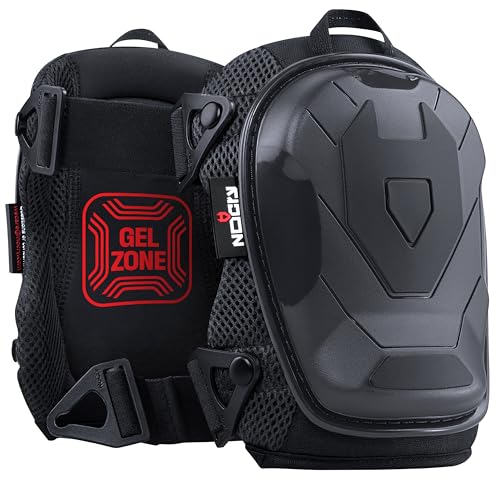


Shell Material and Impact Resistance
The outer shell is your first line of defense against sharp objects, tool drops, and the uneven texture of garage floors. Cheap knee pads use thin plastic that cracks under pressure or bends when you shift your weight. Look for shells made from high-impact polyurethane or reinforced rubber. These materials flex slightly to absorb shock but remain rigid enough to protect against punctures.
In a shop environment, you might drop a socket wrench or kneel on a jagged piece of trim left over from a repair. A compromised shell offers zero protection and can cause more injury than wearing nothing at all. Ensure the shell covers not just the kneecap but extends slightly to the sides to protect the patellar tendon area.
Foam Density and Compression Limits
Foam is where most knee pads fail. Low-density foam compresses completely within minutes, transferring the full force of your body weight directly to your kneecap. This is called "bottoming out," and it causes rapid fatigue and long-term joint damage. You need high-density polyurethane or open-cell foam rated for heavy-duty use.
The thickness of the foam matters, but density is king. A 1-inch pad of high-density foam will outperform a 2-inch pad of soft packing foam every time. When testing knee pads, press your thumb into the center with significant force. If it feels like pressing into a mattress, it’s too soft for professional use.
Strap Systems and Stability
A knee pad that slides down your leg is useless. The strap system must hold the pad firmly in place without cutting off circulation or causing chafing. Look for wide, elasticized straps with robust hook-and-loop (Velcro) closures. Cheap Velcro loses its grip after a few washes or gets clogged with shop dust and lint.
For dynamic work like engine building or suspension repair, you need a strap that locks down tight. Some premium models feature dual-strap systems or buckles that allow for micro-adjustments. Ensure the straps are positioned to anchor above and below the knee joint, not directly on it, to avoid pressure points.
Slip-On vs. Wrap-Around Designs
The two main styles serve different purposes in the garage. Slip-on knee pads resemble socks and slide over your shoes or boots. They are ideal for automotive work where you need to move quickly between vehicles and don't want straps getting caught on car parts or oil pans.
Wrap-around knee pads attach directly to your pants or legs with straps. These offer superior stability for static tasks like assembling workbenches, sanding floors, or detailed electrical work. They stay perfectly positioned regardless of how much you move. Choose slip-ons for mobility and wrap-arounds for precision and stability.
Chemical Resistance for Auto Shops
Garages are full of chemicals: brake fluid, transmission fluid, degreasers, and solvents. Many cheap knee pads are made from materials that degrade or become slippery when exposed to these substances. Oil-soaked foam loses its cushioning properties and becomes a hygiene nightmare.
Select knee pads made from oil-resistant materials. Polyurethane shells wipe clean easily with a rag and solvent. Avoid fabric-covered pads unless they have a waterproof, chemical-resistant coating. If you work extensively with harsh chemicals, consider knee pads that can be hosed down or disinfected regularly.
Long-Term Durability and Maintenance
Your knee pads will take a beating. Check the stitching where the shell meets the strap. Reinforced stitching prevents the pad from detaching during heavy use. Also, inspect the inner lining for tears that could expose your skin to abrasive concrete or sharp debris.
Maintenance is simple but critical. Wipe down the shells after every use to remove oil and grime. Allow foam pads to air dry completely before storing them to prevent mold and odor. Replace knee pads immediately if the shell cracks, the foam loses resilience, or the straps fail. There is no point in saving $20 on a replacement pad when a knee injury costs thousands in medical bills.
Frequently Asked Questions
Are slip-on knee pads better than strap-on?
It depends on your work. Slip-ons are faster to put on and remove, making them ideal for automotive mechanics who move frequently. Strap-ons provide better stability for static tasks like woodworking or detailed repairs.
How do I know if the foam is too soft?
Press your thumb firmly into the center of the pad. If it compresses completely and feels hard underneath, it will bottom out quickly under your body weight. Look for high-density foam that resists deep compression.
Can I use knee pads on rough concrete?
Yes, but you need a rigid outer shell. Soft foam alone offers no protection against abrasion or sharp objects. A polyurethane or rubber shell is essential for concrete floors.
Do knee pads affect balance?
Poorly fitted pads can shift and throw off your balance. Ensure the straps are tight enough to prevent sliding but not so tight that they restrict blood flow. Properly fitted pads should feel like a natural extension of your legs.
How often should I replace my knee pads?
Inspect them regularly for cracks, tears, or loss of cushioning. Replace them as soon as the shell is compromised or the foam no longer provides adequate support. There is no fixed timeline; it depends on usage intensity.
Your knees are critical to your ability to work in the garage. Investing in high-quality knee pads protects your long-term health and improves your comfort during long projects. Choose based on shell rigidity, foam density, and strap stability rather than price or brand name. Start using them today to prevent pain tomorrow.


