

How To Choose The Right Garage Creeper Seats 2026
By Tom Reeves
Your lower back doesn't care about your passion project. When you're under a lifted truck or deep in an engine bay, the difference between a $20 plastic stool and a properly engineered creeper seat isn't just comfort—it's the difference between finishing the job in one session and calling it quits after an hour. Most DIYers buy the first cheap option they see, only to realize too late that sliding on concrete while wrenching requires specific ergonomics, stability, and durability that budget gear simply can't provide.
Quick Answer
Choose a creeper seat with a heavy-duty steel frame, high-density foam padding, and low-profile caster wheels rated for at least 50 lbs each. Prioritize models with a locking mechanism and a wide, flat base to prevent tipping when you're applying torque. If you work on low-clearance vehicles, look for a "low-profile" design with a slim height to keep your center of gravity stable.
Table of Contents
Our Top Picks
Affiliate disclosure: if you buy through these links, we may earn a commission at no extra cost to you.


Frame Construction and Stability
The frame is the skeleton of your creeper seat. Cheap models use thin-walled tubing that flexes when you shift your weight, creating a wobbly, unsafe experience. Look for 11-gauge or thicker steel tubing. The welds should be clean and continuous, not spot-welded in a way that suggests they might crack under lateral stress. A rigid frame ensures that when you're leaning into a stubborn bolt, the seat doesn't buckle.
Base width matters more than you think. A narrow base creates a high center of gravity, making it easy to tip over if you lean too far to the side. A wider footprint distributes your weight more evenly across the casters. If you are working on heavy components like transmissions or differentials, you need a base that won't slide out from under you when you apply significant force.
Caster Wheels and Mobility
Not all wheels are created equal. The single biggest failure point in garage creepers is the caster. Cheap plastic wheels crack on concrete, and low-quality bearings seize up when exposed to oil and grease. You need polyurethane or heavy-duty nylon casters with sealed ball bearings. These materials resist chemical degradation from automotive fluids and roll smoothly on both smooth epoxy floors and rough concrete.
Look for a minimum wheel diameter of 2 inches. Smaller wheels get stuck in floor seams, oil drain holes, and debris. Larger wheels roll over obstacles more easily and provide a smoother ride. Crucially, ensure the casters have a locking mechanism. When you are positioning yourself under a vehicle, you need the seat to stay put. A simple foot pedal or lever lock is standard and essential for safety.
Padding and Ergonomics
Comfort is not a luxury; it's a productivity tool. High-density foam is the standard. Memory foam can be nice, but it often compresses too much, making it harder to maintain a stable position. Look for padding that is at least 2 inches thick and made of closed-cell foam. Closed-cell foam doesn't absorb oil, sweat, or moisture, which means it won't develop odors or mold over time.
The shape of the seat should support your natural posture. A flat, rectangular seat is versatile, but some designs offer a slight contour to support the lower back. Avoid seats with excessive armrests unless you specifically need them for leverage. Armrests can get in the way when you're trying to slide the seat into tight spaces under a chassis. The goal is to minimize fatigue during long sessions of diagnosis or repair.
Specialized Features for Specific Tasks
Different jobs require different setups. If you work on low-clearance sports cars or lowered vehicles, a standard creeper seat might be too tall. Look for "low-profile" models that sit closer to the ground. These allow you to slide further under the car before the seat hits the frame.
For heavy-duty work, consider a creeper seat with a built-in tool tray or a side pocket. This keeps your most-used wrenches and sockets within arm's reach, reducing the need to stand up and break your flow. Some models also feature a headrest or neck support, which is invaluable when you're lying on your back for extended periods under the hood.
Maintenance and Longevity
A quality creeper seat is a buy-it-for-life tool if you maintain it properly. Regularly check the caster wheels for debris wrapped around the axles. Clean them with a degreaser and lubricate the bearings annually. Inspect the frame for rust, especially if you live in a humid climate or work in an unheated garage. Touch up any scratches with rust-inhibiting paint.
Keep the foam dry. If you spill oil or coolant, wipe it up immediately. While closed-cell foam resists absorption, surface grime can degrade the cover material over time. By keeping the seat clean and the wheels lubricated, you ensure smooth operation and prevent premature wear on the moving parts.
Frequently Asked Questions
What is the best wheel size for a garage creeper?
2-inch to 3-inch polyurethane wheels are ideal. They are large enough to roll over floor seams and debris but small enough to fit under most vehicles. Avoid wheels smaller than 1.5 inches.
Should I choose a creeper with a backrest?
It depends on your primary use. A backrest is excellent for working under the hood or in the engine bay where you are leaning back. For working under the chassis or transmission, a flat seat is often more versatile and easier to slide into tight spaces.
How do I prevent my creeper seat from sliding away while I work?
Use the locking casters. Most quality creepers have a foot pedal or lever that locks the wheels in place. Always engage the locks before applying torque or leaning your full weight on the seat.
Can I use a creeper seat on an uneven garage floor?
Standard casters may struggle on uneven surfaces. Look for models with larger, softer polyurethane wheels that can conform to minor imperfections. For very rough surfaces, consider a creeper with a wider base for added stability.
How do I clean the foam padding?
If the cover is removable, unzip it and wash it according to the manufacturer's instructions. If it's not removable, use a damp cloth with a mild detergent to wipe down the surface. Avoid soaking the foam, as this can lead to mold growth.
Conclusion
Choosing the right garage creeper seat is an investment in your comfort and safety. Don't skimp on the frame quality or the wheels. A sturdy, well-built seat will serve you for decades, allowing you to work longer and more efficiently without the constant ache of a hard floor. Start by assessing your workspace and the types of jobs you do most often, then select a model that matches those needs. Your back will thank you.
🛒 Relevant Products for This Topic
Affiliate disclosure: if you buy through these links, we may earn a commission at no extra cost to you.
AFF 3-Way Mechanic Creeper & Shop Stool - Heavy Duty Low Profile Seat with...
$190.17
View Product Details →Pro-Lift Mechanic Roller Seat with Tool Box - 3-Drawer Rolling Tool Chest...
$119.99
View Product Details →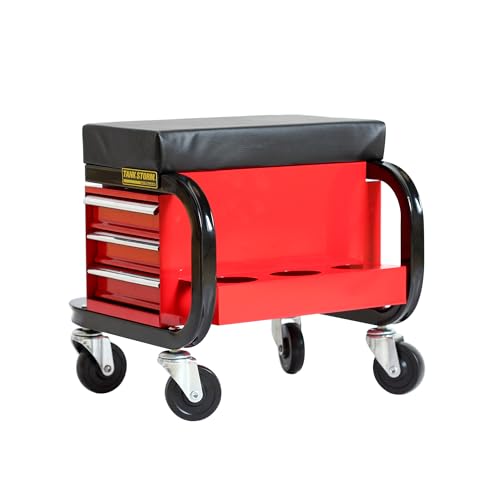
TANKSTORM Tool Box Built-in Creeper Seat, Garage Shop Roller Seat, 3 Drawers...
$109.99
View Product Details →

