

How To Choose The Right Cordless Work Lights 2026
There is nothing worse than stripping a bolt because you are squinting at a shadowed engine bay, or dropping a critical fastener into the dark abyss of a transmission tunnel. In the shop, light isn't just about visibility; it is about precision and safety. A poor light source creates false contrasts, hides cracks in welds, and turns simple maintenance into a guessing game. Stop relying on your phone’s flashlight or that flickering overhead fluorescent tube. You need reliable, high-output illumination that keeps up with the job.
Quick Answer
For most garage applications, a 10W to 20W LED work light with a magnetic base and a color temperature between 5000K and 6500K is the sweet spot. Prioritize IP65 water resistance for durability and look for models with removable batteries that are compatible with your existing power tool platform. Avoid cheap, generic brands; you need consistent lumen output and heat dissipation to prevent premature LED failure.
Table of Contents
Our Top Picks
Affiliate disclosure: if you buy through these links, we may earn a commission at no extra cost to you.

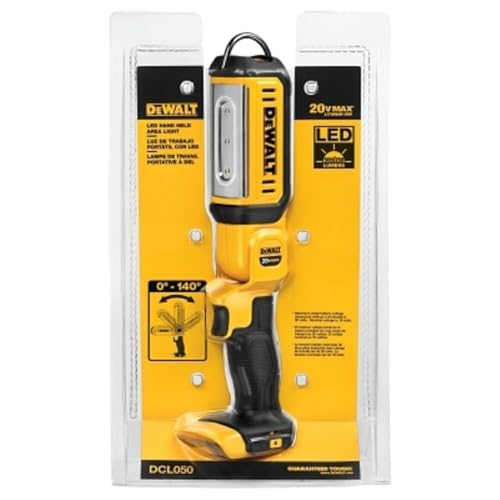

Lumens vs. Watts: Reading the Real Specs
Marketing departments love to throw around massive lumen numbers, but in a practical shop environment, raw output isn't the only metric that matters. A 5000-lumen floodlight is useless if it blows out your eyes or drains a battery in twenty minutes. You need to balance intensity with runtime. For general overhead workbench lighting, 10W to 20W (roughly 1500-3000 lumens) provides ample coverage without overheating.
When working under a vehicle or inside an engine bay, you want focused throw rather than just flood. Look for lights that offer adjustable beam angles. A wide flood is great for organizing parts on a bench, but a tight spot beam cuts through the darkness of a wheel well where shadows hide stripped threads and cracked hoses.
Color Temperature and Shadow Control
The color temperature of an LED is measured in Kelvins (K). Most cheap shop lights sit around 6000K, which is a cool, bluish-white. This is fine for general visibility but can distort the true color of fluids and wires. For precision work, such as diagnosing electrical issues or checking paint match, you want a light closer to 5000K-5500K. This mimics natural daylight and provides accurate color rendering.
Shadow control is equally critical. A single point-source LED creates harsh shadows behind components. High-end work lights use multiple LED arrays or diffusers to soften these edges. When inspecting welds or casting surfaces, softer light reveals imperfections that harsh direct light washes out. If your light has a dimmer switch, use it; reducing brightness often reduces glare and improves contrast in reflective metal surfaces.
Mounting Options for Tight Spaces
Your hands are full of wrenches and sockets; you don't have time to hold a flashlight. The mounting mechanism is as important as the light itself. A strong neodymium magnet is non-negotiable for automotive work. It allows you to stick the light to fender flares, engine blocks, or frame rails instantly.
Beyond magnets, look for versatile attachment points. A heavy-duty hook allows you to hang the light from a jack stand or a ceiling rafter. Some models feature a rotating head with 180-degree articulation, letting you aim the beam precisely without moving the entire unit. Avoid lights that rely solely on adhesive pads; they fail when exposed to heat and oil in a garage environment.
Battery Platform Synergy
This is the most overlooked factor in buying cordless lights. Do not buy a proprietary battery for your work light unless you have spare cash burning a hole in your pocket. If you already own DeWalt, Milwaukee, Makita, or Ryobi tools, buy a work light that accepts those same batteries.
This strategy drastically reduces your upfront cost and eliminates the need to charge multiple types of cells. A 18V tool battery will power a 10W LED for 8-12 hours on low mode, which is more than enough for a weekend project. It also means you can swap batteries mid-job without hunting for a specific charger. Consistency in your power ecosystem saves time and money.
Durability and Weather Sealing
Your work light will take abuse. It will be dropped from ladder heights, kicked across the concrete floor, and exposed to oil, coolant, and road grime. Look for an IP65 or higher rating. The "6" means dust-tight, and the "5" means water-resistant against low-pressure jets. This ensures that a quick rinse with a hose won't kill the electronics.
The housing material matters too. ABS plastic is standard, but rubberized over-molding provides essential shock absorption. Check the lens; it should be polycarbonate, not glass (which shatters) or thin acrylic (which scratches easily). A scratch-prone lens scatters light and reduces output over time. Finally, ensure the battery contacts are gold-plated or corrosion-resistant to maintain a solid connection in dirty environments.
Frequently Asked Questions
How many lumens do I actually need for a garage?
For general workbench tasks, 1500-3000 lumens is sufficient. For under-carriage work or large area lighting, look for 4000+ lumens or multiple lights combined.
Can I use a power tool battery to run a work light?
Yes, and it is highly recommended. Most major brands offer work lights compatible with their existing tool batteries, offering longer runtime and lower cost.
Why does my light feel hot after hours of use?
All LEDs generate heat. However, if the casing is too hot to touch, the thermal management is poor. Look for aluminum heat sinks in the housing design to dissipate heat away from the LED chips.
What is the difference between flood and spot beams?
Flood beams spread light widely, ideal for lighting up a workspace. Spot beams concentrate light into a narrow circle, ideal for illuminating specific components deep in an engine bay.
Are magnetic work lights safe on car paint?
Generally yes, but ensure the magnet is covered by a soft rubber or plastic sleeve to prevent scratching. Never drag a bare metal magnet across a panel.
Should I buy a rechargeable built-in battery or removable?
Removable batteries are superior. If the internal battery dies after three years, the light is trash. With removable cells, you can replace just the battery pack and keep using the light for decades.
Conclusion
Choosing the right cordless work light comes down to balancing brightness, mounting versatility, and battery compatibility. Don't overpay for gimmicks like Bluetooth speakers or color-changing modes; focus on raw output, beam control, and rugged construction. By sticking to your existing tool battery platform and prioritizing IP65 sealing, you will build a lighting setup that lasts as long as your other shop gear. Start by evaluating your current battery ecosystem and pick a light that integrates seamlessly with it.


