

How To Organize A Small Garage Workshop
Start with footprint and load. In a small shop, a 60-72 inch bench hits the sweet spot for space and work surface. A 28-32 inch depth keeps tools accessible without crowding the aisle. Pick a top that suits your work: plywood or MDF for light tasks, solid hardwood or laminated butcher block for heavier cutting and pounding. Ensure the frame is steel or heavy-duty plywood with adjustable feet and, ideally, built-in dog holes or a clamp rack.
Table of Contents
Our Top Picks
Affiliate disclosure: if you buy through these links, we may earn a commission at no extra cost to you.


Factors to Consider
Workbench size and top quality
Storage and organization systems
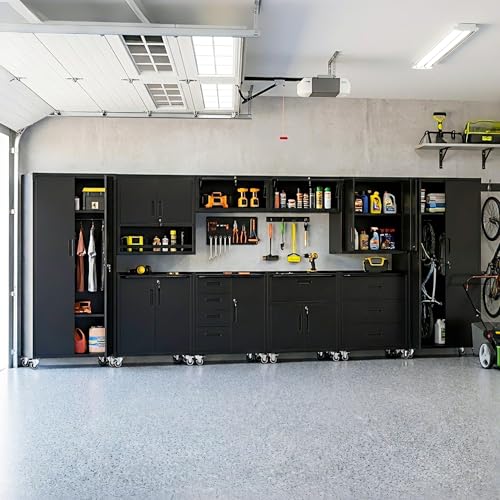
Modular storage carries the day in tight spaces. Combine a pegboard wall with pull-out drawers and a rolling cart so you can slide the project out of the way. Check drawer weight ratings and consider mats to protect the top and reduce noise. Mount storage to studs where possible to avoid tipping under load, and plan for future tool additions.
Electrical layout and power management
Plan outlets for tools, chargers, and lighting. A couple of GFCI outlets near the work area is non-negotiable; add a surge-protected power strip for small devices. If you run heavy machinery, budget dedicated circuits (15-20A) and consider a power strip with cord management. Use cord reels or wall-mounted strips to keep cords off the floor and reduce trip hazards.
Lighting and task visibility
Garages are dark—fix it with bright, consistent LED lighting. Aim for 4000-5000K with a high CRI so colors and metal finish look right and clamps seat well. Place overhead lamps to minimize shadows on your primary work area; add task lighting at the bench for fine work. A flicker-free, glare-control setup saves eyes over long sessions.
Mobility, space planning, and future-proofing
Opt for modular, wall-mountable or rolling components so you can reconfigure as you add tools. A mobile workbench or tool cart can adapt to projects and still tuck away when not in use. Wall tracks or French cleats let you reclaim floor space without heavy drilling. Plan for future growth by leaving room for a compressor, dust extractor, or welding setup.
Frequently Asked Questions
What size workbench should I get for a small garage?
In a tight space, aim for about 60-72 inches long and 28-32 inches deep. That gives a serious work surface without blocking doors or travel lanes. If you sometimes sit or need to pull a cart past it, consider an adjustable height or a wall-mounted/folding option so you don’t sacrifice space.
How do I choose a pegboard and cabinet system?
Pegboard should pair with drawers and cabinets so heavy tools stay lower and out of the way. Plan the hook spacing to fit your most-used items and leave room for future tools. Mount the board to studs and use a protective liner to keep colors and finishes clean.
Do I need a dust collection or vacuum system in a small shop?
Yes. Even a tight garage throws off drywall dust, metal shavings, and automotive particulates. Start with a capable shop vac and add a portable air filter for steady, all-day air quality. That keeps filters from clogging and reduces cleanup time.
How many outlets should I plan, and should I go with GFCI?
Place GFCI outlets along the work zone on each wall. For common tools, budget 20A circuits and consider a dedicated circuit if you run a compressor or welder. Use cord reels and surge-protected strips to keep cords tidy and safe.
What lighting setup works best in garages?
Choose bright, flicker-free LED lighting in the 4000-5000K range with CRI 80+. Mount lights to minimize shadows on your bench and add a task lamp for fine work. Aim for a uniform wash of light that lets you spot tool marks without glare.
How should I organize tools for automotive repair?
Keep the most-used hand tools within arm’s reach on a rolling cart or in a shallow chest. Use magnetic trays for fasteners and labeled bins for hardware, and reserve a dedicated drawer for consumables like gaskets and seals. Create a dedicated space for oil, filters, and spark plugs to speed swaps.
Is a mobile workbench worth it in a small space?
Yes, if you need to reconfigure your shop often or work on multiple projects. Make sure it locks securely and has enough stability when you work; choose smooth-rolling casters and a solid top. It should fold away or roll to the side when you’re not using it to reclaim floor space.
Conclusion
Small garages can punch above their weight with the right setup. Start with a sturdy, appropriately sized workbench, add modular storage, and a practical lighting and power plan, and you’ll gain real efficiency and safer workflows. Invest once in quality, and you’ll see the payoff in long-term value and fewer re-dos.


